What was released or claimed
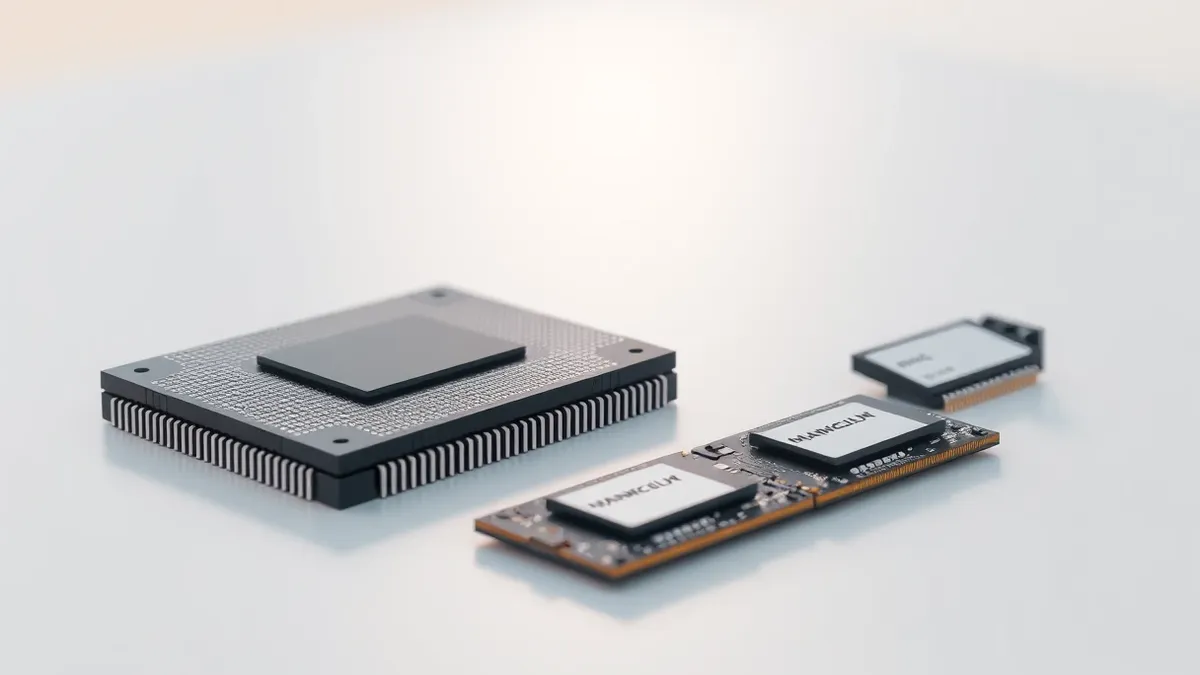
The Information reported that Huawei recently communicated to some clients that a large portion of its upcoming flagship processor, the Ascend 960DT, will utilize high-bandwidth memory manufactured by Samsung and SK Hynix.reported Huawei did not publish this information directly; rather, sources cited by The Information indicated that Huawei shared these supply chain details with select customers.Huawei plans to use memory from Samsung and SK Hynix for its upcoming AI chip, despite US restrictions.Huawei’s Ascend 960DT will utilize HBM from Samsung and SK Hynix, indicating a workaround to US export controls. The disclosure centers on the memory component of the chip, not the processor logic itself.
Evidence: reported
Sources: Huawei recently told some clients that a large share of its upcoming flagship, Ascend 960DT, will run largely on HBM made by Samsung and SK Hynix (The Information)aifleet-techmeme
Who it affects
The primary groups mentioned in the reporting are Huawei’s clients who received the information about the memory sourcing. The report also references the broader context of US restrictions on AI chip shipments to China, implying that US regulators and policymakers are stakeholders in this supply chain dynamic. Samsung and SK Hynix are identified as the specific memory vendors involved in the production of this component.
What is still unknown
According to the source material, The material does not specify the exact percentage of the chip that relies on these foreign memory suppliers, only describing it as a large share.reported It is unclear whether Samsung and SK Hynix have officially commented on their involvement with Huawei’s Ascend 960DT.reported The specific timeline for the release of the Ascend 960DT is not provided in the source material.reported
Evidence: reported
Sources: Huawei recently told some clients that a large share of its upcoming flagship, Ascend 960DT, will run largely on HBM made by Samsung and SK Hynix (The Information)aifleet-techmeme
Evidence: reported
Sources: Huawei recently told some clients that a large share of its upcoming flagship, Ascend 960DT, will run largely on HBM made by Samsung and SK Hynix (The Information)aifleet-techmeme
Evidence: reported
Sources: Huawei recently told some clients that a large share of its upcoming flagship, Ascend 960DT, will run largely on HBM made by Samsung and SK Hynix (The Information)aifleet-techmeme
What to make of it
The Information framed this sourcing decision as evidence of how porous US restrictions on AI chip shipments to China have become. By relying on memory from South Korean firms, Huawei is navigating around constraints that target US-designed components. This suggests that even with strict export controls, Chinese manufacturers can still access critical components from non-US vendors to build competitive AI hardware.
What buyers should weigh
Policy readers should consider how this supply chain configuration impacts the effectiveness of current US export controls. If Huawei can source critical memory from Samsung and SK Hynix, the intent of restrictions to limit China’s AI capabilities may be undermined. Buyers of policy analysis should note that vendor choice in memory components remains a viable path for Chinese firms to maintain competitiveness, despite restrictions on logic chips.
Why it matters
- US export controls may be less effective than anticipated if Chinese firms can source critical components from non-US vendors like Samsung and SK Hynix.
- The reliance on foreign memory suppliers highlights the complexity of enforcing technology restrictions in a globalized supply chain.
- Huawei’s ability to secure HBM from major manufacturers suggests that market position for Chinese AI chips may not be significantly weakened by current US policies.
- Policy makers may need to reconsider the scope of restrictions to include memory components if they aim to limit China’s AI development.
Topics: Huawei, Samsung, SK Hynix, AI chips, export controls
Updated
Then / now / next
US restrictions aimed to limit China’s access to advanced AI chips and components.
Huawei is reportedly using memory from Samsung and SK Hynix for its new flagship chip.
Watch for potential policy adjustments or further disclosures about Huawei’s supply chain.
Story timeline
- Then US restrictions aimed to limit China’s access to advanced AI chips and components.
- 03 Nov 2026 Sources: Huawei recently told some clients that a large share of its upcoming flagship, Ascend 960DT, will run largely on HBM made by Samsung and SK Hynix (The Information)
- Now Huawei is reportedly using memory from Samsung and SK Hynix for its new flagship chip.
- Next Watch for potential policy adjustments or further disclosures about Huawei’s supply chain.
For readers
Policy
- US export controls may need to expand to include memory components to be more effective.
- Huawei's use of non-US memory suppliers highlights the difficulty of enforcing technology restrictions.
Investors
- Samsung and SK Hynix may benefit from supplying memory to Huawei despite US restrictions.
- Huawei's ability to source components suggests it may maintain market position in AI chips.
Researchers
- The Ascend 960DT's reliance on foreign memory could impact the performance and capabilities of Chinese AI systems.
- This case study illustrates the complex supply chain dynamics in the global AI chip market.
Ask the article
Local keyword search of this article; no generated answers.Did this article give you the evidence you needed?
Your choice stays on this device. No public tally.Questions readers ask
Which memory suppliers is Huawei using for the Ascend 960DT?
Huawei is using high-bandwidth memory from Samsung and SK Hynix for a large share of the Ascend 960DT.
according to the published report, Huawei uses Samsung and SK Hynix memory?
The Information reported that sources told them Huawei shared this information with clients.
Does this mean US restrictions are failing?
The Information suggests this illustrates how porous US restrictions on AI chip shipments to China can be.
Reading receipt
- The Information reported this disclosure to clients in recent communications.
- The move illustrates the difficulty of enforcing US chip restrictions on China.
Still open: What percentage of the Ascend 960DT relies on Samsung and SK Hynix memory?
Still open: Have Samsung and SK Hynix commented on their involvement with Huawei?